Ten million kilos and counting
Four million kilograms. That is how much suitable food and beverage by-product we recover each year at Heritage Farms Tasmania, putting valuable resources to work feeding livestock instead of allowing them to go to waste. That’s around 10 million kilos since we started taking on board food waste back in 2023.
What started as a way to keep our animals fed through drought has become a year-round circular feeding program. It has helped us improve animal condition and meat quality, reduce our reliance on conventional feeds and support other local farms.
Now, a $10,000 sponsorship grant from the Tasmanian Waste and Resource Recovery Board will help us expand that work. We are inviting more Tasmanian businesses and farmers to become part of it.
Drought made us look at feed differently
During the drought in 2021, we needed reliable alternatives to conventional livestock feed. At the same time, local food and beverage businesses had nutritious by-products they could no longer use in their own production processes.
Bringing those two problems together made sense.
We started collecting small volumes of surplus produce for our farm at Forcett. Those early collections have grown into a program recovering around four million kilograms, or 4,000 tonnes, of suitable material each year.
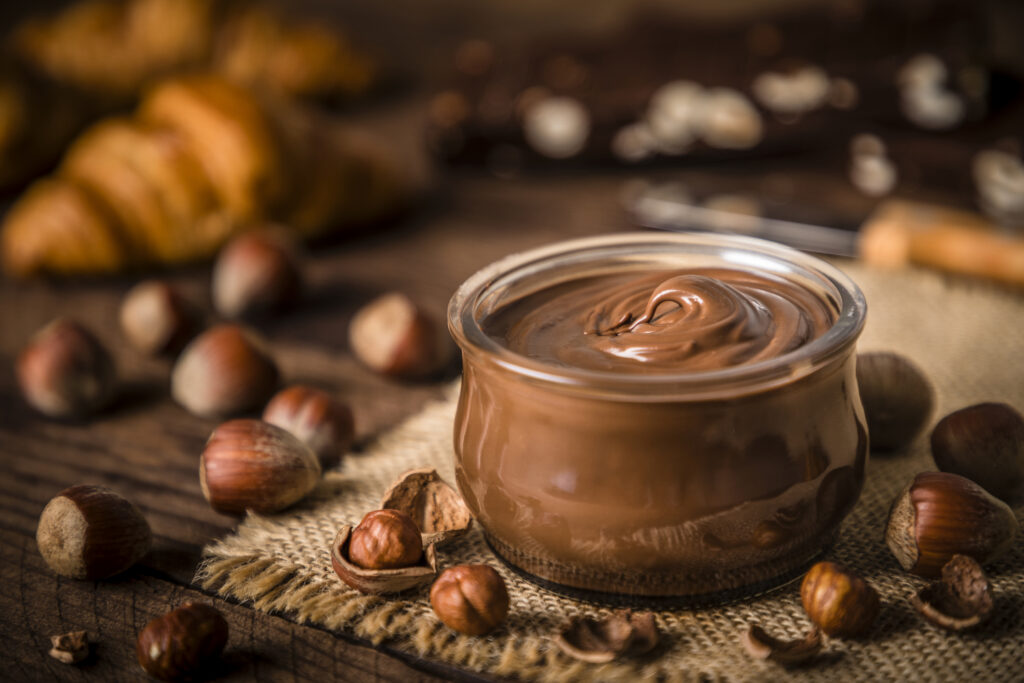
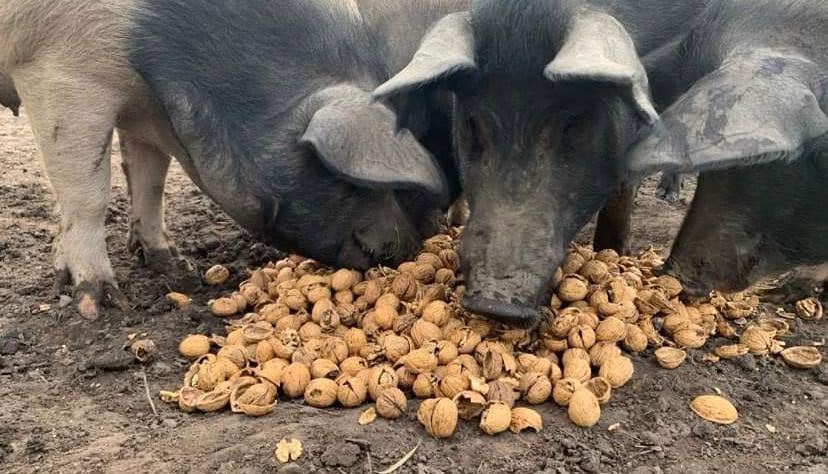
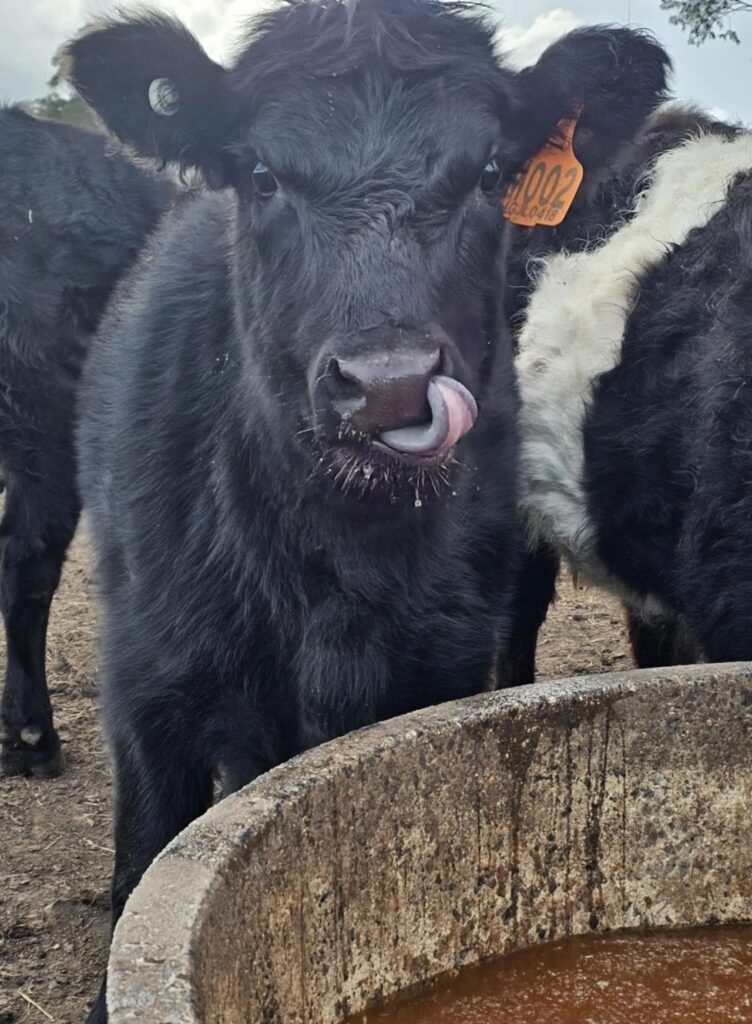
Our partners include Wicked Cheese, Sullivans Cove, Spring Bay Distillery, Pooley Wines and Cripps Bakery. By-products from cheese making, distilling, winemaking and baking now form part of a varied feeding program for our Belted Galloway cattle and Wessex Saddleback pigs. The program also helps supply at least three other local farms.
These businesses deserve enormous credit. They have been willing to look beyond disposal and work with us to keep useful resources circulating within Tasmania’s food system.
Better use of food and better-quality meat
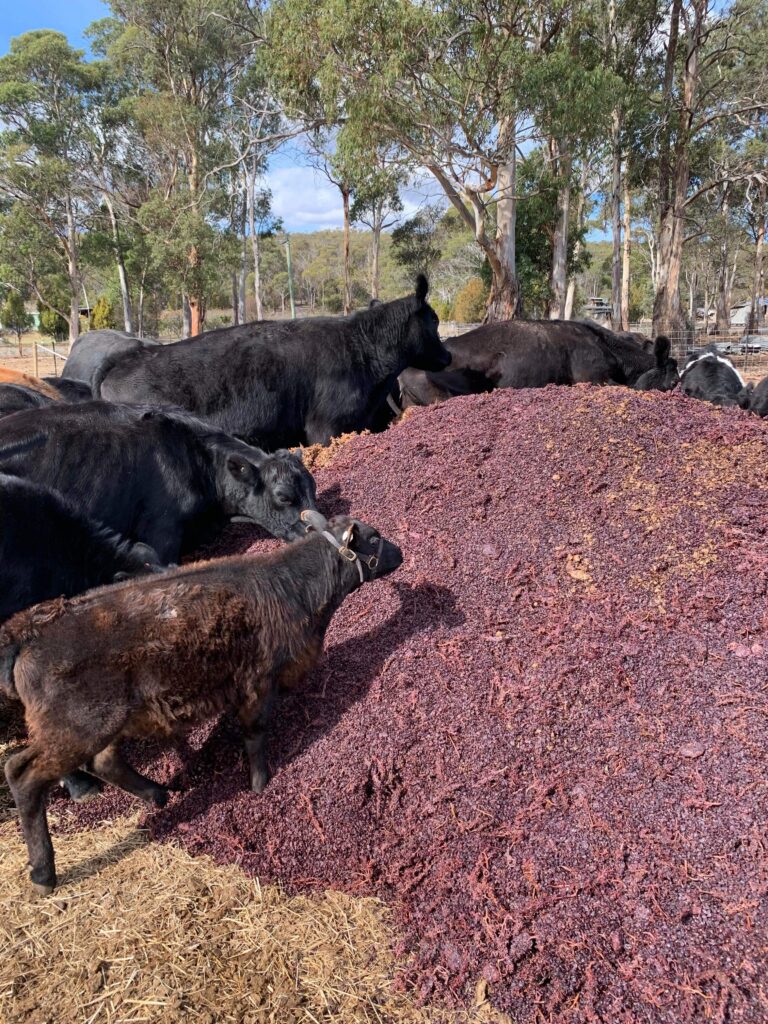
When people hear “food waste”, they often picture something rotten or unusable. Much of what we collect is a nutritious by-product that has reached the end of one production process but still has value as livestock feed.
The important word is suitable. Each source needs to be considered for the livestock eating it and the farm receiving it.
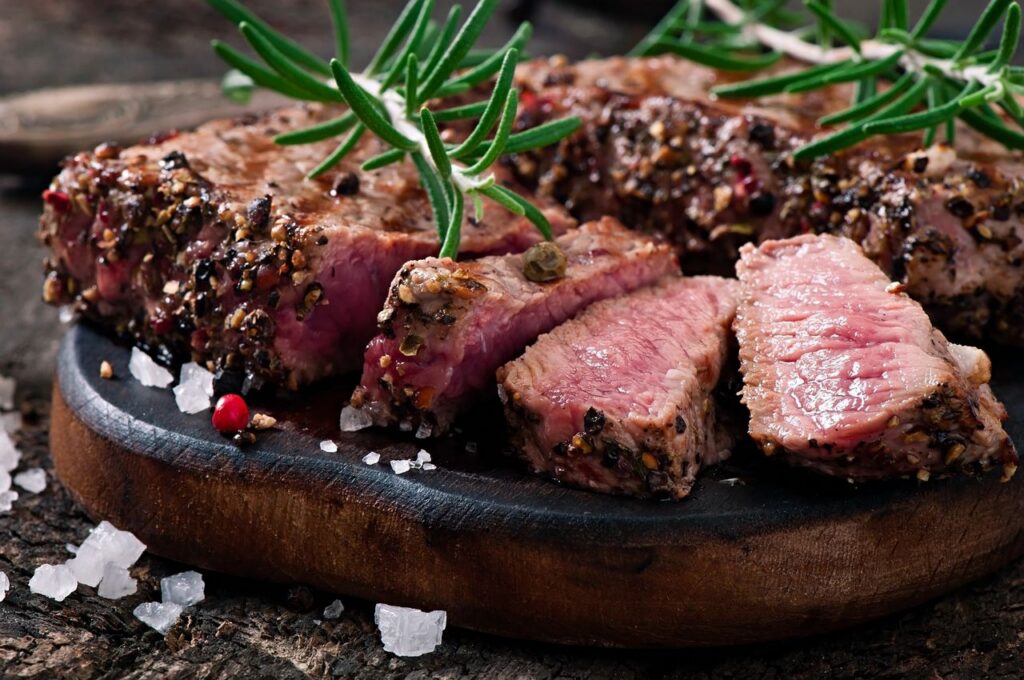
For us, the benefits have extended well beyond finding enough feed. Through this more varied feeding program, we have seen improvements in the condition of our animals and the quality of the beef and pork we produce.
We went looking for an answer to a feed problem and found a better way of using resources already available around us.
Building resilience before the next dry season
For a livestock farmer, drought-proofing means finding ways to keep animals well fed when pasture and conventional feed supplies come under pressure.
Circular feeds have become one part of that work on our farm. They cannot remove every risk associated with drought, but they give us more options when seasonal conditions become difficult or feed costs rise.
The connections matter as much as the feed. Building relationships between farmers and food businesses throughout the year creates a network that can help when the next shortage arrives.
Making room for more
The grant will support the next stage of our Circular Feed and Resource Recovery Hub, increasing our capacity to receive, store and redistribute suitable materials.
That means being able to accept higher volumes from participating businesses and create more opportunities for other farmers to access circular feeds.
We know this model can benefit more than one farm. The next step is to build the capacity and connections that allow more people to take part.
Does your business have something useful going to waste?
We would love to hear from Tasmanian food and beverage businesses with suitable surplus produce or production by-products.
You might be a bakery, cheesemaker, distillery, winery or another food producer with material you can no longer use. Before treating it as waste, there may be an opportunity to put it to work within the local farming system.
We also welcome enquiries from farmers interested in receiving suitable circular feeds as the network expands.
To discuss what your business produces, or how your farm could participate, contact Rebecca Byfield at bec@heritagefarmstas.com.au.
Funding acknowledgement

The Heritage Farms Tasmania Circular Feed and Resource Recovery Hub is supported by the Tasmanian Waste and Resource Recovery Board, which is funded by the Tasmanian Government.