Easy Sourdough Discard Flatbreads
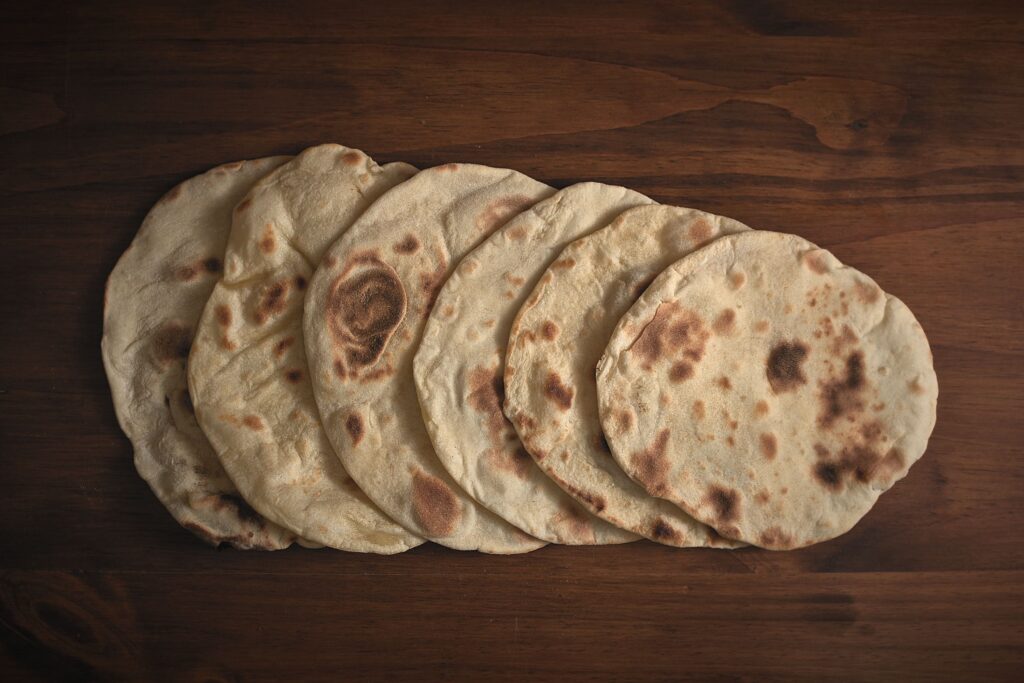
These soft, golden sourdough discard flatbreads are an easy way to use up leftover starter and make something delicious from scratch. Made with simple ingredients, they are perfect for wraps, curries, homemade pizzas, dipping into hummus or serving alongside a hearty soup.
The best part? You can prepare the dough the night before, pop it in the fridge and cook fresh flatbreads the next day. No need to cook everything at once!
At a Glance
Prep time: 15 minutes
Resting time: Overnight, plus 30 minutes before cooking
Cooking time: Approximately 25–35 minutes
Makes: 12–16 flatbreads
Difficulty: Easy
Ingredients
500g sourdough discard
400g plain flour or bread flour
150g Greek yoghurt
40g olive oil
10g salt
1 teaspoon baking powder
1–3 tablespoons water, if needed
A little extra flour for rolling
Optional garlic butter topping
40g butter, melted
1–2 garlic cloves, crushed
1 tablespoon chopped fresh parsley
Method
Step 1: Mix the dough
Add the sourdough discard, Greek yoghurt and olive oil to the bowl of a stand mixer fitted with a dough hook.
Add the flour, salt and baking powder. Mix on minimum speed for 1–2 minutes, until the ingredients come together into a rough dough.
Step 2: Knead
Knead on minimum to speed 1 for approximately 3–5 minutes, until the dough is reasonably smooth, soft and pliable.
The dough should feel slightly tacky without being excessively sticky. If it seems too dry or stiff, add water one tablespoon at a time. If it is sticky, allow it to rest for 5 minutes before deciding whether to add a little extra flour.
You can also mix and knead the dough by hand if you prefer.
Step 3: Refrigerate overnight
Lightly oil the dough and place it in a covered bowl or airtight container. Refrigerate overnight, or for around 8–16 hours.
This makes it easy to prepare the dough ahead of time, while giving you fresh flatbreads whenever you are ready to cook.
Step 4: Bring the dough to room temperature
Remove the dough from the fridge approximately 30 minutes before cooking. This makes it easier to divide and roll.
Turn it onto a lightly floured bench and divide it into 12–16 equal portions.
Roll each portion into a ball, then roll out into a thin circle approximately 2–3mm thick.
For larger wraps, make 12 flatbreads. For smaller flatbreads to serve alongside meals, make 16.
Step 5: Cook the flatbreads
Heat a dry frying pan or cast-iron skillet over medium-high heat.
Place one flatbread into the hot pan and cook for approximately 1–2 minutes, until bubbles appear and golden-brown spots develop underneath.
Flip and cook the other side for another 1–2 minutes.
Adjust the heat as needed. If the pan is too hot, the flatbreads may burn before cooking through. If it is too cool, they may become dry rather than puffing up.
Repeat with the remaining dough.
Step 6: Keep them soft
As each flatbread comes out of the pan, stack it under a clean tea towel. The trapped warmth and moisture will help keep the flatbreads soft and flexible.
For extra flavour, mix the melted butter with crushed garlic and chopped parsley, then brush over the warm flatbreads.
Tips for the Best Sourdough Flatbreads
Use your discard straight from the fridge. Cold discard works perfectly well in this recipe. Its consistency and acidity can vary, so adjust the flour or water slightly if necessary.
Don’t overwork the dough. Unlike traditional sourdough bread, these flatbreads don’t need extensive kneading or a lengthy room-temperature rise.
Roll them evenly. Keeping the flatbreads a similar thickness helps them cook evenly and remain soft.
Keep the pan hot. A properly heated pan helps create those lovely golden spots and bubbles without drying out the bread.
Make them ahead. The dough can be prepared the night before and refrigerated until you are ready to cook. Keep it covered to prevent the surface from drying out.
How to Serve Sourdough Flatbreads
These versatile flatbreads are delicious served with:
Homemade wraps using farm-direct beef or pork, salad and yoghurt sauce
Curries, stews and slow-cooked Chinese-style beef
Soups and hearty casseroles
Dips, including hummus, tzatziki and homemade garlic dip
Grilled vegetables and fresh salad
Scrambled eggs, bacon and other breakfast favourites
Storing and Reheating
Cooked flatbreads: Allow them to cool, then store in an airtight container in the fridge for up to 3 days.
Freezing: Separate the cooled flatbreads with baking paper and freeze in a sealed freezer-safe bag or container for up to 3 months for best quality.
Reheating: Warm briefly in a dry frying pan, or wrap in foil and heat in a moderate oven until warmed through. Avoid overheating, as this can make them brittle.
Frequently Asked Questions
Can I make sourdough discard flatbread dough the same day?
Yes. You can mix the dough and let it rest, covered, for around 30–60 minutes before rolling and cooking. The overnight refrigeration is convenient and allows the flavours to develop, but it isn’t essential.
Do I need active sourdough starter?
No. This recipe is designed for sourdough discard, so you don’t need to feed your starter or wait for it to become active.
Can I make the dough without a stand mixer?
Absolutely. Mix the ingredients in a large bowl with a wooden spoon, then knead by hand for around 5–8 minutes until the dough is smooth and pliable.
Why are my flatbreads tough?
They may have been rolled too thin, cooked for too long or cooked over a pan that wasn’t hot enough. Keep them soft by cooking quickly over medium-high heat and stacking them under a tea towel as they finish.
Can I add herbs or spices?
Yes. Try ground cumin, paprika, dried oregano, garlic powder or finely chopped fresh herbs mixed into the dough. These are an easy way to adapt the flatbreads to whatever you’re serving.
Can I use wholemeal flour?
You can replace some of the plain flour with wholemeal flour. Start by replacing 100g and add a little extra water if the dough feels dry, as wholemeal flour absorbs more liquid.
⸻
A great way to use up your sourdough discard and make everyday meals a little more special. Prepare the dough tonight, cook tomorrow and enjoy fresh homemade flatbreads with whatever is on the menu.