Originally published 17 October 2025 on the former Heritage Farms Tasmania website.
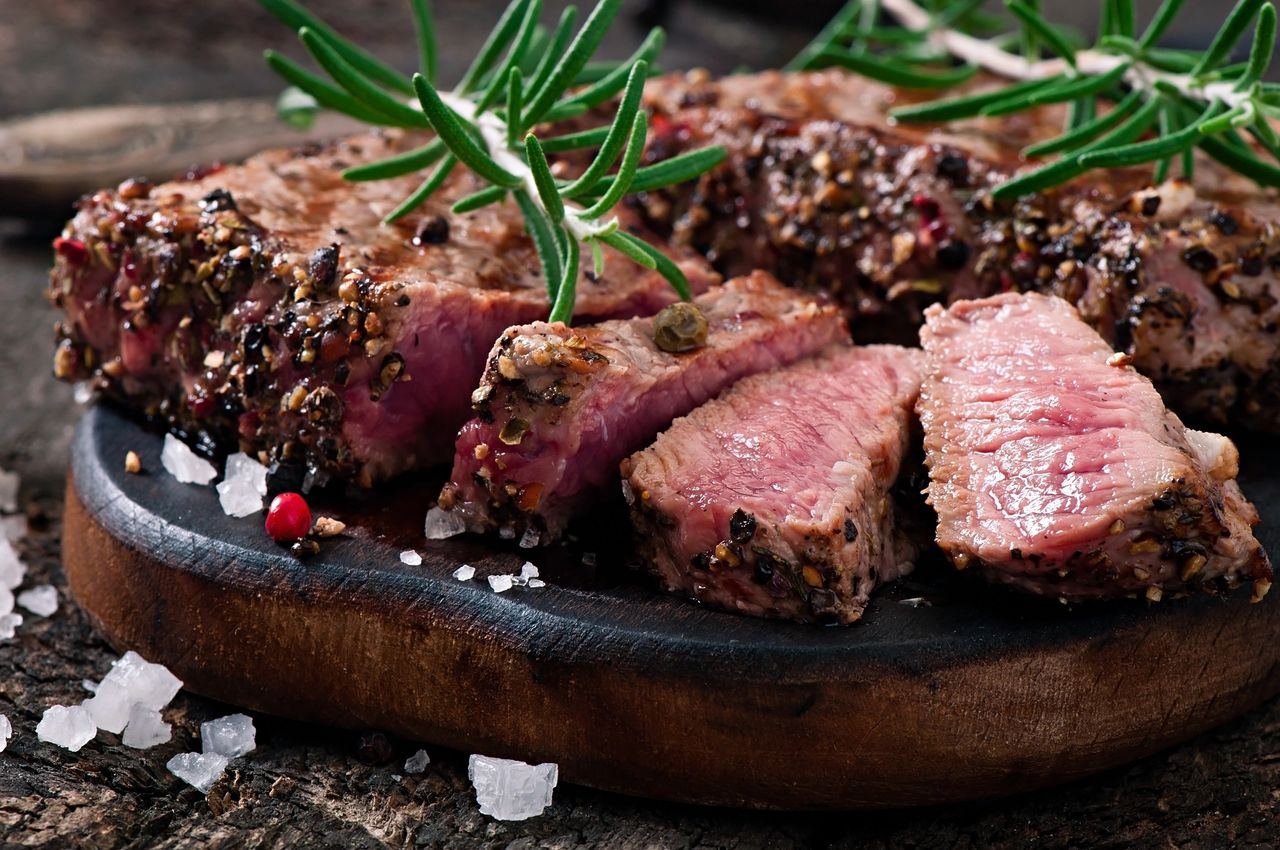
There’s been a lot of talk lately about buying Tasmanian beef. But why is it so good? At Heritage Farms Tasmania, we believe great beef starts long before it reaches your plate. Every step matters when it comes to flavour, tenderness, and overall eating quality – from the breed of cattle, to how the cattle are raised, transported and slaughtered, to how the meat is stored.
If you’ve ever cooked beef that looked beautiful in the pack yet turned out tough, dry, or a little strange-tasting – you’re not alone. Even good beef can go wrong if the animal wasn’t raised or handled well, or if it hasn’t been given time to develop its full flavour.
Here’s what can cause beef to taste bad – and how to make sure every cut you buy (and cook) is as tender and tasty as it should be.
1. The Animal Matters
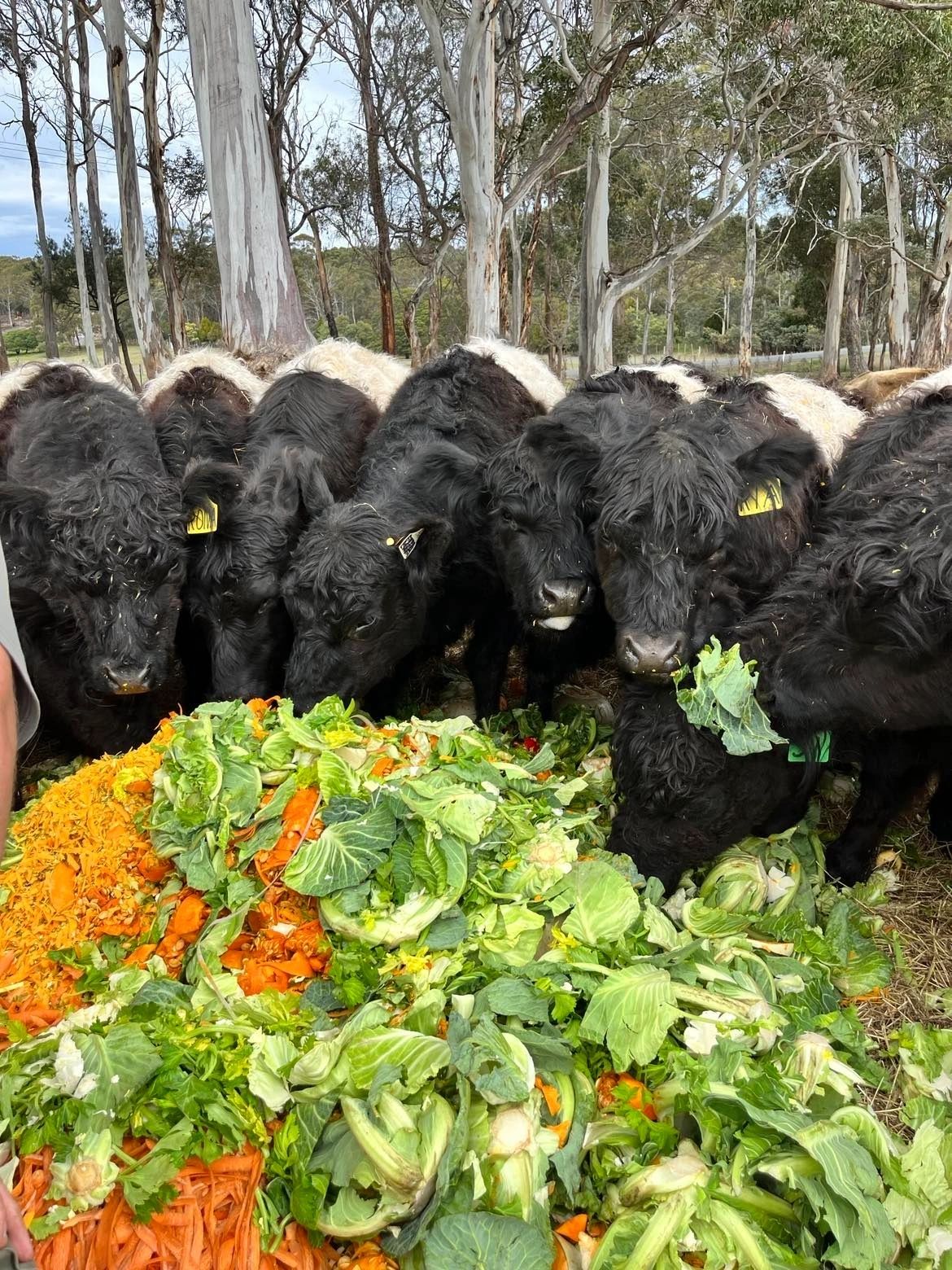
Quality beef begins with quality cattle. Breed, diet, and overall wellbeing all play a part.
At Heritage Farms, we raise pure Belted Galloway cattle – a Scottish heritage breed renowned for their fine marbling, rich flavour, and tender meat. While our cattle spend all their lives on our clean Tasmanian pastures, they also benefit from a varied diet that includes sustainably sourced by-products – such as grain mash, pot ale, and fruits and vegetables – that helps develop natural intramuscular fat that gives our beef its signature juiciness, tenderness and depth of flavour.
Not all beef is created equal. Older, stressed or poorly fed animals can produce meat that’s strong in flavour or tough in texture, while calm, well-fed cattle produce beautifully mild, tender beef.
Buying tip: Look for beef that’s:
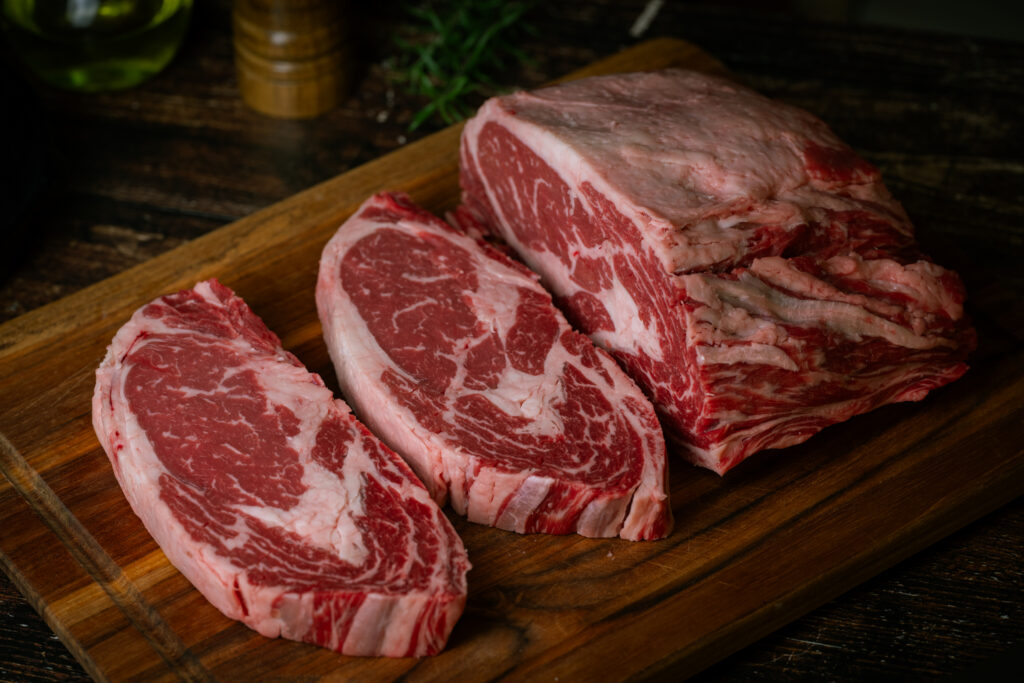
- Bright, rich red in colour (not brown or dark purple)
- Firm but not dry or sticky
- Well-marbled with fine, creamy fat
2. Stress-Free Handling
Cattle that are calm and well-handled right up to processing produce much better beef. Stress before slaughter can cause what’s known as “DFD” (dark, firm, dry) beef – darker in colour and lower in eating quality.
We pride ourselves on gentle farming, spending time with our animals so that when it comes time to move them, the process is as stress-free as possible.
We also work closely with local processors who handle animals quietly and efficiently, ensuring a smooth transition and minimal stress. That care directly translates into tenderness and flavour on your plate.
Buying tip: Ask your butcher or farmer how their cattle are raised and processed. Better still, ask if they will let you see the animals for yourself. The best beef always comes from farms that prioritise animal welfare.
3. Proper Cooling and Storage
Beef needs careful temperature control from paddock to plate. If it’s not chilled correctly after processing, bacteria can grow, causing sour flavours or off smells.
When you buy direct from us, your meat is already handled with the same care as fine dining suppliers.
Our beef is processed locally and immediately chilled under strict temperature control before being hung to age. Our beef is hung for a minimum of 1 – 2 weeks – or longer if we can – which allows the fibres to relax and the meat to develop maximum tenderness.
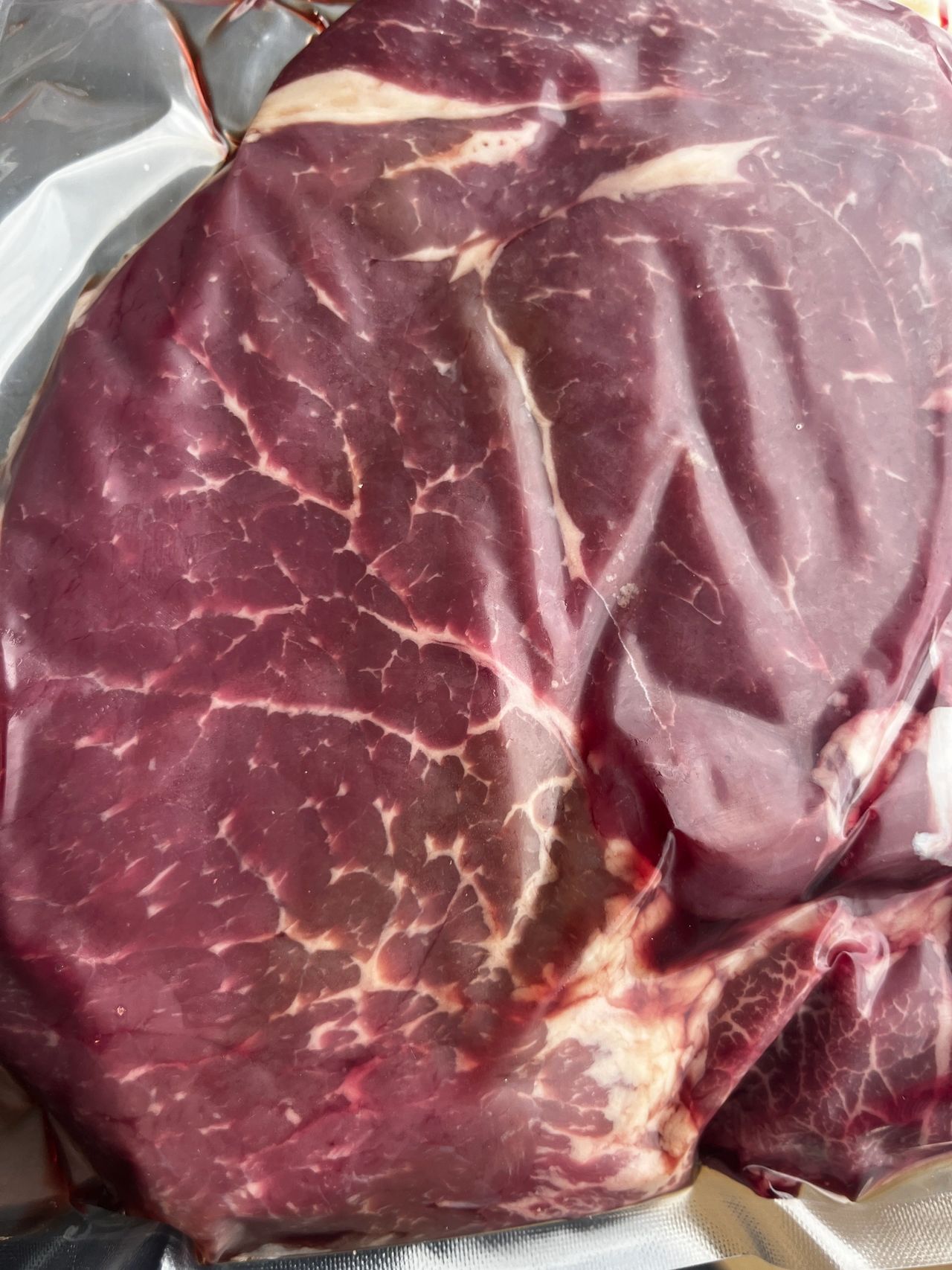
We also vacuum seal or shrink wrap all of our meat, ensuring that all oxygen has been removed. This ensures that your meat will stay fresh longer in the refrigerator and will also last much longer in your freezer.
At home: Keep beef refrigerated below 5°C and use before the ‘best before date’ on the package. Alternatively, you can freeze for longer storage – up to 2 years if the seals remain intact and the meat is not exposed to oxygen. When thawing, always do so in the fridge, never at room temperature, as bacteria multiplies rapidly in the danger zone (between 5 and 60°C).
4. The Secret of Great Flavour: Ageing
Ageing is where good beef becomes great beef. Freshly processed beef is actually quite tough, as it has not been through the rigor mortis process (the process where meat stiffens and toughens before it begins to soften). All meat needs time for the enzymes to get to work breaking down muscle fibres, which is key to developing that rich, savoury flavour fancy steakhouses are known for.
At Heritage Farms, we age our Belted Galloway beef for at least 14 days, sometimes longer depending on the cut. But you can also improve your beef at home with wet ageing or dry ageing – both simple, effective methods that make a big difference.
Wet Ageing at Home
Wet ageing means allowing beef to mature in its vacuum-sealed bag, where natural enzymes tenderise the meat without drying it out. It’s safe, easy, and ideal for home fridges.
How to do it:
- Buy vacuum-sealed beef (whole primals, roasts, or steaks).
- Keep it sealed – don’t open the bag.
- Store it in the fridge (1–4°C) for up to 6 weeks from the packed date.
- Check occasionally that the bag is airtight and not swelling.
- When ready, open, pat dry, and rest before cooking.
The result is tender, juicy beef with a clean, buttery flavour.
Dry Ageing at Home
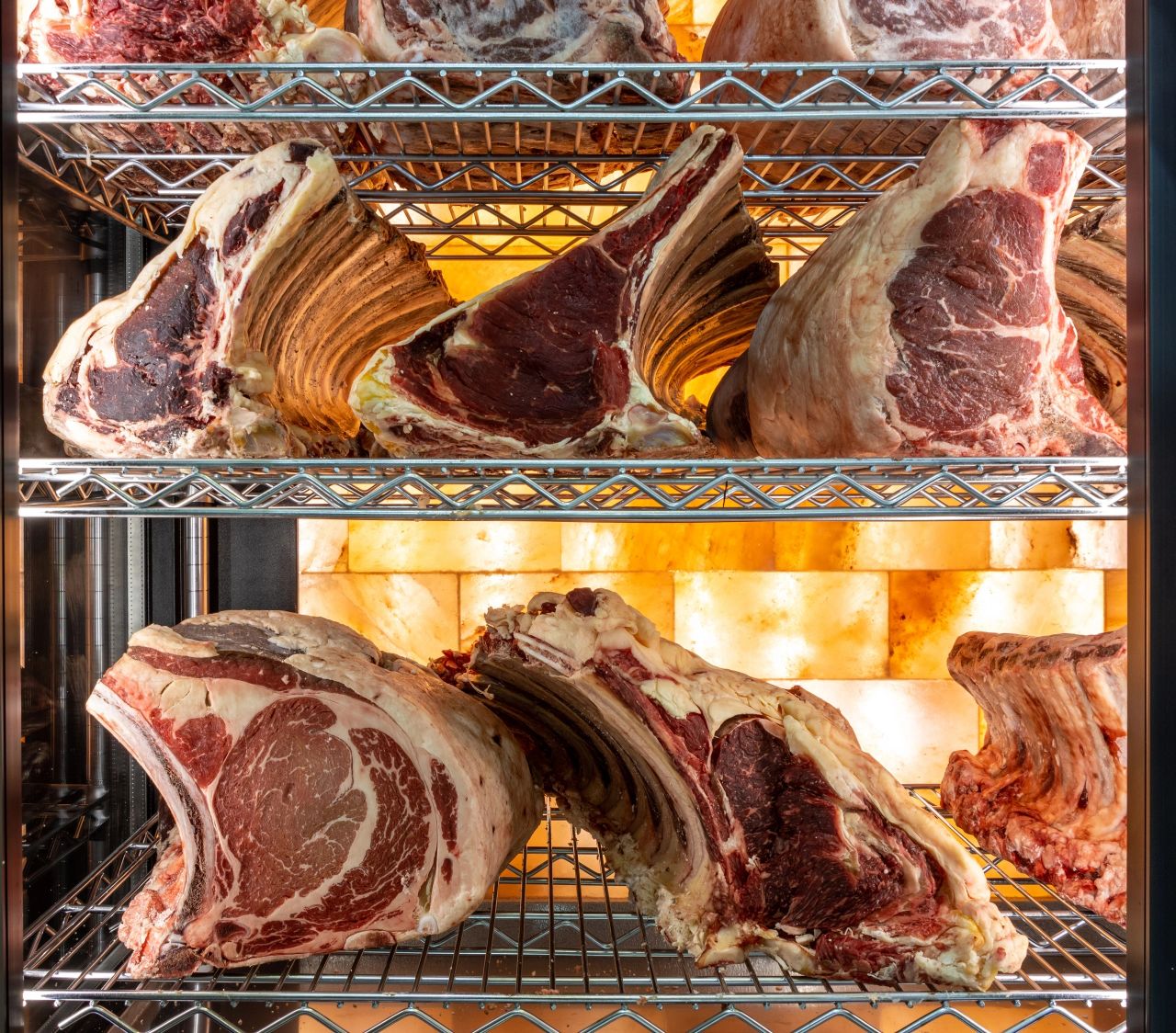
Dry ageing develops a deeper, more complex flavour – nutty, savoury, and restaurant-quality. It takes a little more care but can be done at home with the right setup.
How to do it:
- Choose a large cut like a bone-in ribeye or rump with a good fat cover.
- Place it uncovered on a rack in your fridge (1–3°C), ideally one with good airflow and humidity control.
- Leave it to age for 2–4 weeks. Over time, the surface will dry and darken.
- Before cooking, trim off the dried exterior until you reach the fresh meat underneath.
Dry aged beef develops an incredible depth of flavour – rich, beefy, and full-bodied – just like a fine steakhouse cut.
5. The Right Cut for the Job
Choosing the right cut for your recipe is key to great flavour and texture.
Every part of the animal behaves differently when cooked, so it’s worth knowing what’s best for what:
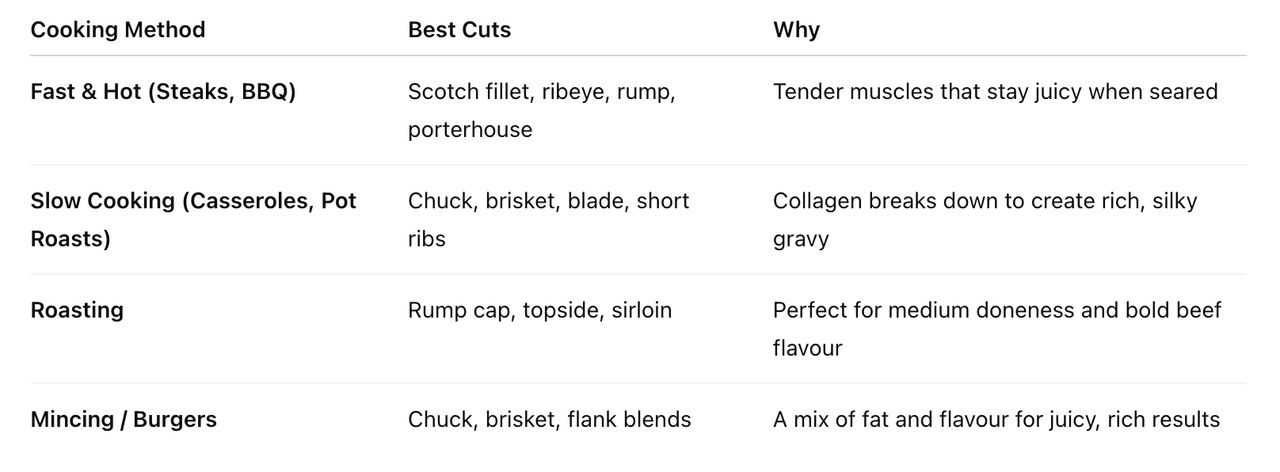
Buying tip: When in doubt, ask your butcher (or us!) which cut best suits your cooking style. You’ll save money and get far better results.
6. Fat Equals Flavour

Lean beef might sound healthy, but too little fat means dry, flavourless meat.
Intramuscular marbling – those thin veins of fat inside the muscle – is what keeps beef juicy and tender as it cooks. Belted Galloway beef naturally has fine, even marbling, giving it a delicate, buttery flavour without greasiness.
Buying tip: Look for smooth, white fat and visible marbling through the muscle. That’s where the magic lies.
7. Freshness and Clean Handling
Even premium beef can spoil if it’s handled poorly after purchase. Always keep it clean, cold, and sealed.
If meat looks grey, smells sour, or feels sticky, it’s best not to risk it. True freshness will smell slightly sweet and “meaty,” never sour or metallic.
8. Cooking with Care
Finally – and most commonly – beef can lose quality through overcooking.
Lean cuts dry out quickly, while slow-cook cuts need time and moisture to become tender. Our slow-cooked Chinese-style beef recipe puts those harder-working cuts to good use.
Quick guide:
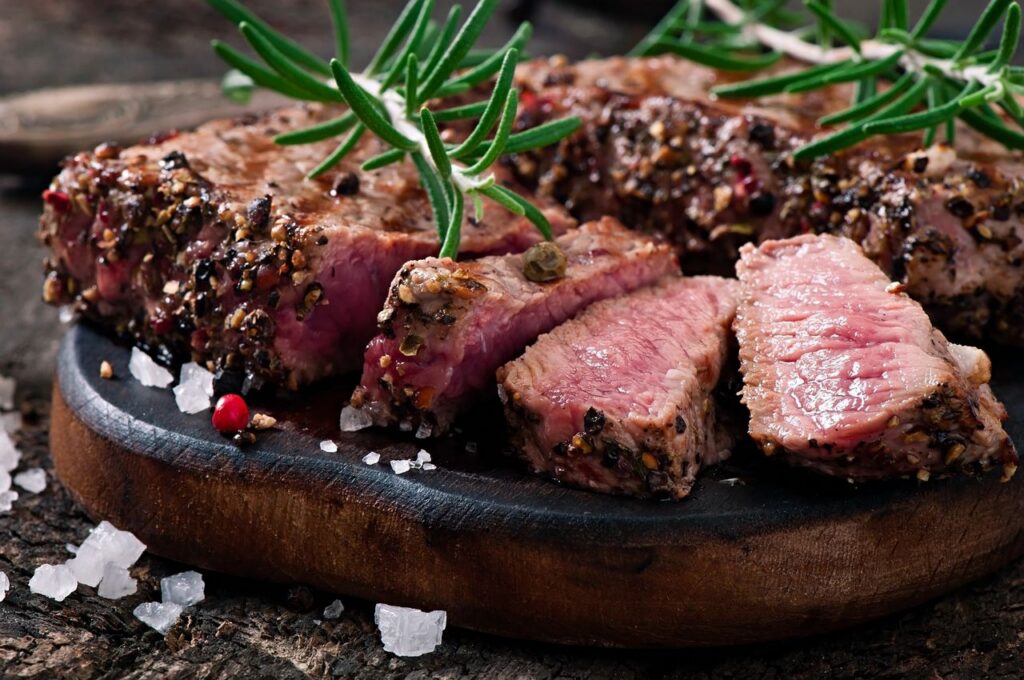
- Steaks: Medium-rare to medium for best texture (55–60°C internal temperature).
- Roasts: 65°C for medium doneness.
- Slow cooks: Low and slow (4–8 hours) to let collagen melt and tenderise the meat.
A simple digital thermometer takes the guesswork out of perfect beef.
The Heritage Farms Difference
At Heritage Farms Tasmania, we take pride in producing naturally raised, pasture-fed Belted Galloway beef that’s full of flavour and tenderness. From calm, low-stress handling to careful ageing and local processing, every step is designed to bring you beef that tastes the way it should – rich, buttery, and unforgettable.
Whether you’re buying individual steaks and roasts, a value box or a side of beef direct from our farm, you can be confident you’re getting beef that’s been raised with respect and care.
Buying Direct from the Farm
You can order Heritage Farms beef directly from us – no middlemen, no mass production, just honest, local food from our paddocks to your plate.
- Visit our online store to order our value boxes or bulk meat
- Join our email list for seasonal offers
- Pop into our farm at 83 Delmore Road, Forcett to see what we have in stock.
- Or get in touch to reserve your next beef box
Because when you start with good beef — and give it the time and care it deserves — every meal becomes something special.